


- Mindfulness
- Oct 23
2026-08-04
Research shows that regular meditation can significantly reduce anxiety levels, reshaping our brains and fostering emotional resilience. Are you ready to discover how a few moments of mindfulness can transform your life?
Explore the key benefits of meditation and mindfulness practices in managing anxiety and stress effectively.
Meditation encourages muscle relaxation, reducing physical tension and stress levels.
Regular practice improves emotional regulation and self-reflection, helping manage anxiety triggers.
Meditation helps replace negative thought patterns with positive affirmations and thoughts.
Mindfulness practice enhances resilience, making it easier to handle stress effectively.
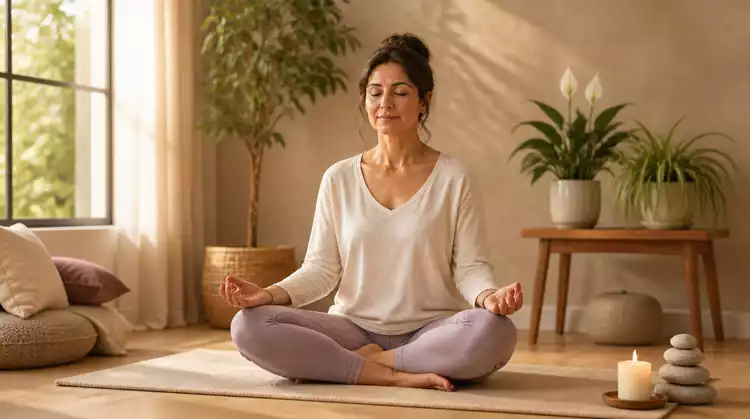
Meditation has gained recognition as a powerful tool for managing anxiety and stress. Many people, including myself, have experienced the calming effects of simply taking a few moments to breathe deeply and focus inward. When we meditate, we create a space where we can observe our thoughts and feelings without judgment. This practice can significantly reduce the symptoms of anxiety, helping us find a sense of peace amidst the chaos of daily life.
One of the remarkable aspects of meditation is its ability to address both anxiety and stress symptoms. When we engage in meditation, we initiate our body's relaxation response, which can lead to a decrease in levels of the stress hormone cortisol. By making meditation a regular part of our routines, we can improve our mental clarity and develop healthier coping mechanisms. Isn't it amazing how a few minutes of mindfulness can bring such profound changes? For more insights on how meditation positively impacts mental health, explore our article on meditation's positive impact on mental health.
When we meditate, we actively work to calm our minds and bodies, which in turn can help ease anxiety symptoms. This practice allows us to divert our focus from racing thoughts and worries to the present moment. It's like giving our minds a mini-vacation from the stressors of life! Here are a few ways meditation helps in managing anxiety:
Through these mechanisms, we can create a more resilient mindset. As we explore meditation at Mind and Meridian, we’re dedicated to sharing practices that resonate with individuals on their unique wellness journeys. Each person’s experience with meditation may differ, but the benefits of calming and centering oneself are universal.
The practice of mindfulness, a core component of meditation, has been shown to have a profound impact on stress management. Scientific studies indicate that mindfulness practices can significantly lower levels of stress and anxiety by improving our overall emotional well-being. This transformation occurs because mindfulness teaches us to stay present, rather than ruminating on past events or worrying about the future. To delve deeper into these practices, consider exploring mindfulness meditation for stress relief.
Research has demonstrated several key benefits of mindfulness, including:
At Mind and Meridian, we believe that understanding these scientific principles can empower individuals to embrace meditation as a practical tool for managing anxiety. By harnessing the power of mindfulness, we can cultivate a deeper connection with ourselves and foster a sense of peace in our lives.
Neuroplasticity is the brain's amazing ability to reorganize itself by forming new neural connections. This concept is particularly relevant when we talk about meditation and its effects on anxiety reduction. Engaging in regular meditation can reshape our brains, helping us to respond differently to stressors over time.
Through consistent meditation practice, we can:
These changes enable us to approach life’s challenges with a calmer mindset. By understanding neuroplasticity, we can appreciate how impactful meditation truly is on our journey to overcome anxiety. Here at Mind and Meridian, we encourage our community to explore meditation as a path to foster both resilience and inner peace.
As we delve deeper into the world of meditation, it’s essential to explore the various types that specifically aid in anxiety relief. Each type offers unique approaches, and finding the one that resonates with you can significantly enhance your practice. Let's take a look at some effective meditation techniques tailored for reducing anxiety.
Here's a brief recap of the key points discussed so far:
Here are some common questions about using meditation to manage anxiety:
As we embark on our meditation journeys, it's essential to keep an eye on our progress. Tracking how meditation impacts our anxiety levels can be incredibly rewarding. Not only does it provide insight into what works for you, but it also motivates you to continue your practice. At Mind and Meridian, we believe that reflection is key to personal growth, so let’s explore effective methods for monitoring your meditation journey! You might also find our guide on top meditation apps for daily use helpful for tracking your progress.
There are several practical ways to assess your meditation practice and its effects on anxiety. Here are some methods that I’ve found particularly helpful:
By employing these methods, you’ll gain valuable insights into how meditation can help alleviate anxiety. It’s all about finding what resonates best with you!
As you monitor your journey, you may discover patterns or preferences that can guide your meditation practice. Here are some tips to adapt your routine based on your findings:
At Mind and Meridian, we believe that meditation is a personal journey, and adjusting your practice can lead to profound changes in your well-being!
Journaling can be a powerful tool to complement your meditation practice. It allows for deeper reflection and insight into your emotional landscape. Here’s how to effectively incorporate journaling into your routine:
By merging journaling with meditation, you create a fuller picture of your emotional well-being, which can be immensely beneficial on your journey toward managing anxiety. For more on this, check out our insights on journaling for mental wellness benefits.
As we wrap up, it’s essential to recognize that integrating meditation into your daily routine can yield long-term benefits. The journey may have its ups and downs, but consistency is key. Remember, every moment you dedicate to your practice is a step toward mental clarity and personal growth.
To make meditation a sustainable part of your life, consider these tips:
At Mind and Meridian, we believe that patience and persistence are crucial for cultivating a successful meditation practice. You’ve got this!
If you haven't started your meditation journey yet, I encourage you to take that first step today. Explore the various techniques, track your progress, and be open to adjusting your practice as needed. It may feel challenging at first, but trust me, the rewards are worth it! Share your experiences in the comments below—let’s turn this space into a community of support. Together, we can embrace a more mindful approach to life! We also have resources on simple natural stress relief tips that can complement your meditation journey.
Here is a quick recap of the important points discussed in the article:
Sofia Kepler is a holistic wellness advocate passionate about helping others find mental clarity and personal growth. Blending mindfulness and energy healing, she shares uplifting insights to inspire and empower. Follow along on Mind and Meridian for a journey into inner balance and holistic health.
Embark on a transformative journey toward holistic wellness. At Mind and Meridian, we empower you to nurture your mental clarity and personal growth through mindfulness and energy healing practices.