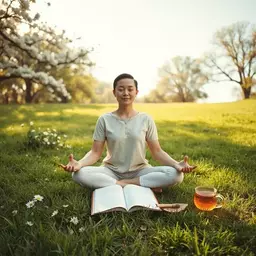

Stress Relief
Engaging in mindfulness practices helps lower cortisol levels, leading to decreased stress.
2026-08-08
Mindfulness isn't just a trend; it's a transformative practice that can enhance your mental and physical well-being. By being fully present in the moment, you open the door to improved emotional health and resilience. Ready to explore how mindfulness can change your life?
Mindfulness can greatly improve various aspects of your mental and physical health. Below is a visual representation of some common benefits associated with regular mindfulness practice. To learn more about its positive effects, read our article on mindfulness meditation for wellness benefits.
Engaging in mindfulness practices helps lower cortisol levels, leading to decreased stress.
Regular mindfulness can sharpen concentration and enhance cognitive functioning.
Mindfulness fosters emotional regulation, helping us respond to our feelings in healthy ways.
Mindfulness promotes relaxation, making it easier to fall asleep and stay asleep.
Regular mindfulness practices can lead to healthier blood pressure levels.
Being mindful can reduce stress, which is known to negatively affect the immune system.
Mindfulness is more than just a buzzword; it’s a powerful tool that can transform your mental wellness. So, what exactly is mindfulness? Simply put, it involves being fully present in the moment, acknowledging your thoughts and feelings without judgment. This practice not only helps in managing stress but also enhances your overall emotional well-being. At Mind and Meridian, we believe that understanding mindfulness is the first step toward a healthier, more balanced life!
Incorporating mindfulness into your daily routine can lead to profound changes. By tuning into the present, you’ll start to notice patterns in your thinking and behavior. This awareness can serve as a catalyst for personal growth and mental clarity. Have you ever considered how small shifts in your perception can ripple out into your entire day? Let’s explore the many benefits of becoming more mindful!
Mindfulness is all about creating a space for yourself. It's about recognizing what you're feeling and thinking without getting swept away by it. When we practice mindfulness, we learn to observe thoughts as they come and go. This skill can be incredibly empowering! I remember when I first learned about mindfulness; it felt like a light bulb went on in my mind, illuminating pathways to understanding myself better. For further reading on this topic, check out our guide on mindfulness and mental health explained.
At its core, mindfulness encourages self-compassion and awareness, which are essential for mental wellness. It helps us deal with life's ups and downs with a little more grace. By regularly practicing mindfulness, we can develop resilience against stressors and emotional turbulence. So, why not give it a try? You might just find it’s the key to unlocking a calmer, more centered you!
Mindfulness offers a treasure trove of benefits that can enhance our daily lives. Here are some common advantages that you might find appealing:
These benefits are just the tip of the iceberg! When you start practicing mindfulness regularly, you’ll likely notice improvements in your relationships and overall mood, too. Imagine feeling more centered in your interactions with others! At Mind and Meridian, we encourage you to explore these benefits as you embark on your mindfulness journey.
If you struggle with anxiety or depression, mindfulness can be an invaluable ally. Through mindfulness, we learn to observe our thoughts and feelings without getting caught up in them. This practice can create distance from overwhelming emotions, making them feel less consuming. I’ve seen so many individuals at Mind and Meridian experience a shift in their mental landscape by simply acknowledging their feelings instead of fighting against them. Discover more about managing anxiety with our insights on mindfulness techniques for anxiety relief.
Research has shown that mindfulness practices can reduce symptoms of anxiety and depression. By focusing on the present moment, we can break the cycle of negative thinking that often fuels these conditions. It's like giving yourself a mental reset button! As you explore mindfulness, remember that it’s okay to take your time and be gentle with yourself.
The impact of mindfulness extends beyond mental health; it also plays a significant role in our physical well-being. Studies suggest that mindfulness can lead to lower blood pressure, better sleep, and even improved immune function. When we approach our health with a mindful attitude, we become more attuned to our bodies and their needs. This awareness can lead to healthier choices and habits!
Here’s a quick overview of how mindfulness can enhance your overall health:
As you embark on your mindfulness journey, consider how these health benefits may contribute to a more vibrant life. At Mind and Meridian, we’re excited to support you in cultivating a holistic approach to wellness!
Here's a brief recap of the key points discussed so far:
Creating a personalized mindfulness pathway is essential for making your practice truly effective. At Mind and Meridian, I believe in tailoring your journey to suit your individual needs and goals. Whether you’re seeking stress relief, better sleep, enhanced focus, or support for anxiety, aligning exercises with your objectives is a powerful way to progress. To explore how this aligns with broader wellness goals, consider exploring acupuncture clinic options as part of your holistic health journey.
First, let's consider how to map mindfulness exercises to your specific goals. Think about the areas in your life that could use a little nurturing. Here are some areas to focus on:
By pinpointing your focus areas, you can select exercises that resonate with you. For instance, if you're aiming for better sleep, techniques like *mindfulness breathing* or *body scans* could be incredibly beneficial. On the other hand, if stress relief is your goal, practices like *mindful walking* can help you connect with your surroundings and ease tension.
As you embark on your mindfulness journey, understanding how to progress is key. You don’t have to dive into lengthy sessions right away. Instead, consider starting with short exercises to build your comfort and confidence. Here's a simple progression plan:
This gradual increase allows you to adapt and grow, making mindfulness a natural part of your life. Remember, it’s about *consistent practice* rather than perfection. Embrace each step, and you’ll find your rhythm!
Sleep is crucial for our overall well-being, and incorporating mindfulness can significantly enhance your sleep quality. Here are some effective techniques to consider:
Implementing these techniques in your bedtime routine can create an environment conducive to restful sleep. I often encourage my readers at Mind and Meridian to turn off devices and dedicate time to unwind with these practices before bed. For more tips on improving your sleep, consider reading about mindfulness for better sleep routine.
To enhance your mindfulness practice, leveraging technology can be a great support. There are various apps and resources available that provide guided meditations and exercises. Here are some popular ones:
These tools can keep you motivated and inspired, making your mindfulness journey engaging and rewarding. As you explore these resources, remember to find what resonates with you and fits seamlessly into your life. Let’s keep this journey invigorating together!
Here is a quick recap of the important points discussed in the article:
Sofia Kepler is a holistic wellness advocate passionate about helping others find mental clarity and personal growth. Blending mindfulness and energy healing, she shares uplifting insights to inspire and empower. Follow along on Mind and Meridian for a journey into inner balance and holistic health.
Embark on a transformative journey toward holistic wellness. At Mind and Meridian, we empower you to nurture your mental clarity and personal growth through mindfulness and energy healing practices.