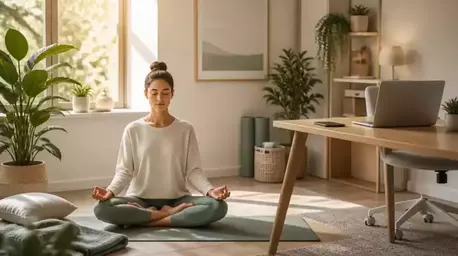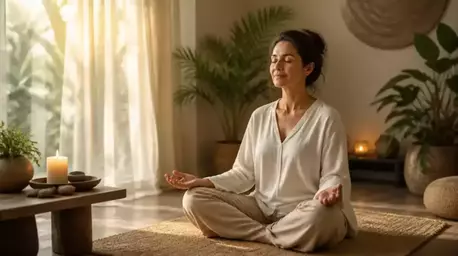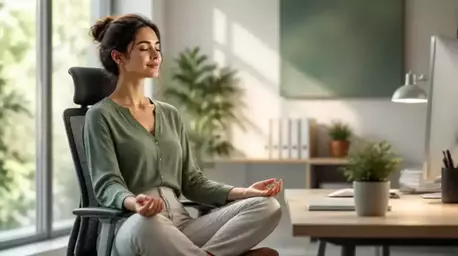

Lighting
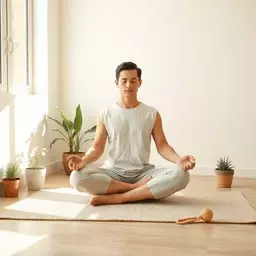
Soft, warm light creates a cozy atmosphere, essential for relaxation and focus.
2026-02-10
Creating an ideal meditation space can transform your practice and enhance your overall well-being. As you embark on this journey, consider how each element in your environment contributes to a serene atmosphere that fosters mindfulness and focus.
Understanding the key aspects that contribute to a serene meditation environment can significantly enhance your practice. Meditation's positive impact on mental health is well-documented, and a tailored space can amplify these benefits.
Soft, warm light creates a cozy atmosphere, essential for relaxation and focus.
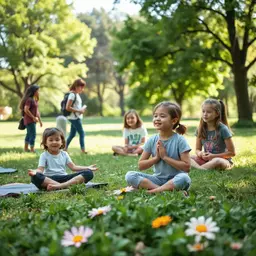
Incorporating calming soundscapes enhances concentration and relaxation during meditation.
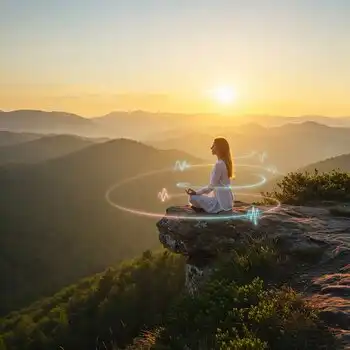
Bringing in plants and natural materials can create a biophilic environment that promotes well-being.
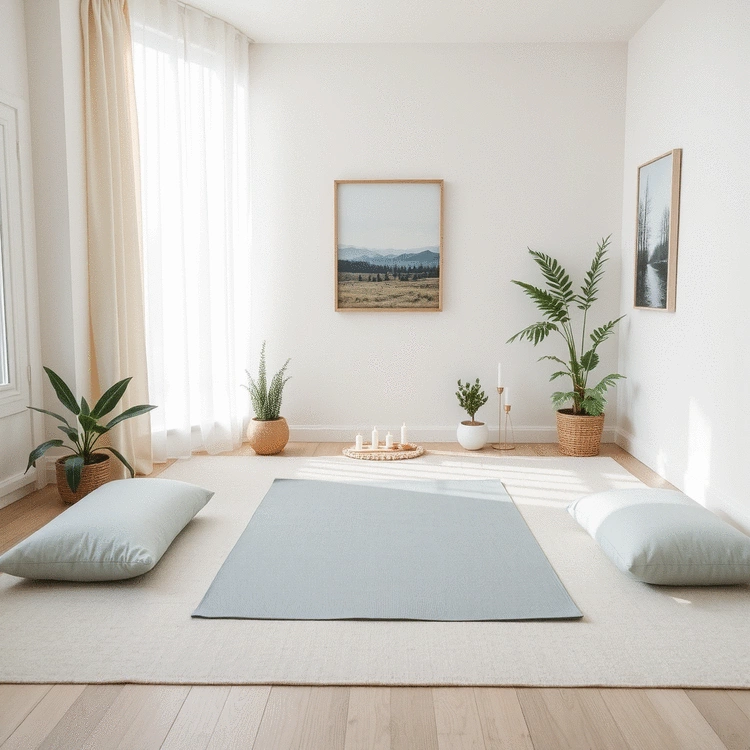
Creating a harmonious layout fosters flow and invites relaxation in your meditation space.
Have you ever thought about how your environment can shape your meditation practice? Creating an ideal meditation space is all about fostering a sense of calm and focus. At Mind and Meridian, we believe that a thoughtfully designed space helps you cultivate mindfulness and enhances your overall well-being!
Mindfulness spaces are more than just corners in your home; they are sacred areas dedicated to personal growth and reflection. These spaces serve as a haven where you can escape the chaos of daily life. When you step into your meditation area, you should feel a shift in your mental state, ready to embrace the stillness.
Meditation spaces can vary widely, but their purpose remains consistent: to provide a sanctuary for mindfulness practices. Whether you’re sitting for a quick five-minute breather or embarking on a longer meditative journey, this dedicated space allows for intentional focus on your breath and thoughts. It’s a reminder that you prioritize your well-being.
Having a specific area for meditation offers numerous psychological benefits. Research shows that a dedicated space can improve your ability to concentrate and reduce stress. When you consistently return to the same spot, your brain starts to associate that space with calmness and relaxation. It becomes a cue for your mind to shift gears and embrace mindfulness. For more on this, explore mindfulness meditation for stress relief.
Now, let’s dive into how you can design your meditation space! There are essential elements that contribute to creating an atmosphere conducive to relaxation and focus. By paying attention to aspects like lighting, sound, and nature, you can set the stage for a transformative experience.
Lighting plays a significant role in how we perceive our surroundings. Soft, warm light can create a cozy, inviting atmosphere, while harsh, bright lighting might feel overwhelming. Consider investing in adjustable lighting like dimmable lamps or candles to help you find the perfect ambiance for your meditation.
Sound is another critical element of a peaceful meditation space. Whether you prefer soothing music, nature sounds, or absolute silence, your environment should support your practice. Here are a few ideas:
Bringing nature into your meditation space can significantly boost your sense of calm. Biophilic design focuses on connecting us with the natural world, and studies suggest that even small touches of greenery can improve our mood. Consider adding:
Finally, the spatial arrangement of your meditation area is vital. You want to create a flow that feels harmonious and inviting. Here are some tips to help you set it up:
There are various types of meditation spaces to inspire your own setup! Understanding the different environments where meditation takes place can help you choose the best fit for your lifestyle and preferences. For those seeking a deeper connection to nature, exploring acupuncture clinic options might also offer a serene environment for holistic healing practices.
Meditation centers and wellness spaces are designed with a focus on mindfulness and holistic practices. These places often provide guided sessions and support communities that foster personal growth. They can serve as a great source of inspiration for setting up your space at home!
Quiet rooms are perfect for those seeking solitude. Soundproof spaces minimize distractions and help create an immersive meditation experience. If you can create a quiet area at home, you’ll find it easier to focus on your practice.
Nature retreats and urban parks offer a different kind of meditation space. Surrounded by trees, flowers, and natural sounds, these environments can deepen your connection with nature. Don’t hesitate to explore outdoor spaces for your meditation practice!
Your home meditation area should feel like a personal sanctuary. It’s a space where you can truly be yourself and connect with your thoughts. Whether it’s a cozy corner of your living room or a dedicated room, make it uniquely yours with elements that uplift and inspire you. To truly make it your own, consider starting meditation at home simply and adapting the space to your needs.
Here's a brief recap of the key points discussed so far:
As we wrap up our exploration of creating the ideal meditation space, it's essential to reflect on the key design principles that can significantly enhance your mindfulness practice. The right environment can encourage relaxation and focus, helping you dive deeper into your meditation. Remember, it’s not just about the physical space; it’s about the energy and intention you bring into that space!
One crucial insight is the strong interconnection between space and mindfulness. When your meditation environment resonates with calmness and tranquility, it fosters a more profound sense of peace and well-being. Each element, from lighting to sound, plays a pivotal role in shaping your meditation experience. It’s about creating a sanctuary that reflects your personal journey toward wellness.
Here’s a quick recap of the essential design principles we've discussed to help enhance your meditation practice:
By embracing these principles, you’re setting the stage for a more enriching meditation experience! Now, let's address some common questions that arise when creating a dedicated meditation space.
Many individuals wonder about the specifics of crafting the perfect meditation environment. Here are a few frequently asked questions:
These insights can serve as a guide to help you navigate any challenges as you establish your meditation oasis. Now, let’s talk about taking action!
Feeling inspired? It’s time to implement what you’ve learned into your own space! The transformation doesn’t have to happen overnight; take your time to curate an environment that truly resonates with you. Start by identifying a quiet area in your home, and consider how you can incorporate the design principles discussed earlier.
Here are some actionable steps to get you started:
Remember, the goal is to create a space that aligns with your journey toward mental clarity and personal growth. I encourage you to share your journey with others! This not only fosters community but also provides support as you explore your unique meditation practice.
Whether it’s through social media or local wellness groups, sharing your experiences can bring inspiration to others. You might even discover new ideas and practices to incorporate into your own meditation space. At Mind and Meridian, we believe in the power of community to uplift and support each other’s wellness journeys!
As we look to the future, it’s exciting to consider the trends emerging in meditation space design. With more individuals recognizing the importance of mindfulness, there’s a growing interest in creating environments that nurture these practices.
Here are some trends to keep an eye on as you continue to cultivate your meditation practice:
Staying aware of these trends can offer fresh ideas to enrich your practice! Remember, meditation is a journey, and as we adapt to evolving needs and preferences, it's vital to keep learning and exploring. For continued learning, explore deep relaxation through meditation music.
Your meditation space should evolve alongside you, reflecting your personal growth and changing needs. Don’t hesitate to adjust your environment as you discover new practices or insights. After all, your space is a reflection of your journey and a vessel for your mindfulness practices!
Encouraging ongoing learning and adaptation in meditation practices will help you remain engaged and inspired. Together, let’s continue to explore the beautiful world of mindfulness and energy healing. I can’t wait to hear about your experiences and insights on this journey!
Here is a quick recap of the important points discussed in the article:
Sofia Kepler is a holistic wellness advocate passionate about helping others find mental clarity and personal growth. Blending mindfulness and energy healing, she shares uplifting insights to inspire and empower. Follow along on Mind and Meridian for a journey into inner balance and holistic health.
Embark on a transformative journey toward holistic wellness. At Mind and Meridian, we empower you to nurture your mental clarity and personal growth through mindfulness and energy healing practices.