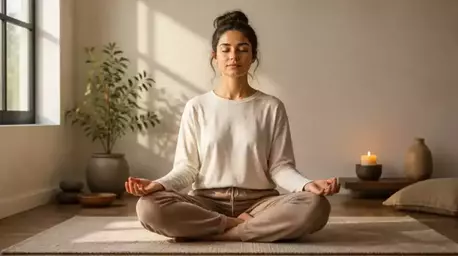
Improved Emotional Awareness
Meditation fosters a deeper understanding of emotions, enabling individuals to recognize and accept their feelings.
2026-09-10
The journey towards emotional balance is not just a destination; it's a way of life that can transform your daily experiences. With the right tools, such as meditation, you can cultivate a profound connection to your emotions and navigate life's challenges with grace and resilience.
Understanding how meditation can enhance emotional wellness is crucial. Below are some key benefits represented visually. For a deeper dive into how these practices can positively impact your mental state, explore the positive impact of meditation on mental health.
Meditation fosters a deeper understanding of emotions, enabling individuals to recognize and accept their feelings.
Regular practice helps in managing emotional responses, allowing for calmer reactions in stressful situations.
Meditation develops resilience, helping individuals navigate life's challenges with greater ease.
Engaging in meditation regularly can improve overall mood and outlook on life.
In our fast-paced world, finding a sense of emotional balance can feel like searching for a needle in a haystack! That's where meditation comes in. But what exactly does this mean? Meditation for emotional balance involves practices that help us connect to our feelings, understand them better, and ultimately regulate them. In a time when stress is just a breath away, making meditation a part of our routines can significantly improve our daily lives.
When we meditate, we are not just sitting quietly; we are actively engaging in self-discovery. This process allows us to tune into our emotions, whether they are joy, sadness, or stress. So why is this important? It helps create a buffer against life’s challenges, leading to a more peaceful existence. Meditation lets us step back from the chaos and find a calm center within ourselves.
At its core, *meditation for emotional balance* is about cultivating awareness of our thoughts and feelings without judgment. By doing this, we can better manage our emotional reactions, leading to enhanced clarity and peace. You might wonder what practical benefits await you. Here are a few key points:
By practicing regularly, you’ll find that emotional balance is not just a distant goal; it's an achievable state of being. In fact, at Mind and Meridian, we believe that even small steps can lead to remarkable transformations in emotional health, similar to how exploring acupuncture clinic options can offer unique pathways to wellness.
Mindfulness plays a crucial role in our journey toward emotional balance. It’s not just a trendy buzzword; it’s a practice that encourages us to be present and fully engaged in the moment. When we approach our emotions mindfully, we allow ourselves to observe them without getting swept away. This practice can help us notice patterns in our emotional responses, making it easier to manage them effectively.
Here are some ways mindfulness contributes to emotional balance:
With mindfulness, we learn to embrace our emotions as they are, rather than running from them. This acceptance creates space for healing and growth. As a result, we can become more resilient and adapt to life’s ups and downs with grace.
Now, let’s delve into the connection between emotional wellness and meditation. Emotional wellness isn’t just the absence of distress; it encompasses understanding our emotions and cultivating a positive emotional state. Regular meditation helps nurture this wellness by providing tools to cope with challenges and build emotional intelligence.
Here are some benefits of how meditation fosters emotional wellness:
When individuals engage in meditation, they often report feeling more connected to themselves and their emotions. This connection empowers us to navigate our emotional landscape more effectively, leading to a healthier, more fulfilling life. At Mind and Meridian, we’re excited to share these insights with you, inviting you to explore your own emotional journey through meditation!
Here's a brief recap of the key points discussed so far:
Embarking on the journey of emotional balance through meditation is truly an adventure! At Mind and Meridian, I’ve witnessed how tracking your progress can significantly enhance your practice. By keeping a journal, you can note your emotions before and after meditation sessions, helping you see patterns and shifts that might otherwise go unnoticed. So, grab a notebook and let’s start documenting your emotional changes and setting some realistic meditation goals! To effectively track your progress, consider exploring how journaling for mental wellness can further enhance your practice.
Setting goals is essential. Consider what you’d like to achieve through your meditation practice. It could be less anxiety, improved focus, or simply a sense of calm. Begin with small, attainable goals like meditating for five minutes each day. As you progress, you can gradually increase the duration. Remember, it’s all about what works best for you!
Have you ever thought about how sharing your experiences can amplify your growth? I encourage you to reflect on your journey and consider sharing your thoughts with others! Whether it’s through comments, social media, or with friends, discussing your meditation experiences can lead to deeper insights and connections.
At Mind and Meridian, I love hearing about your stories! What challenges did you face during meditation? How did you overcome them? Sharing these moments not only uplifts you but also inspires others on their journey. You never know who might benefit from your insights!
Are you ready to create a meditation routine that suits your individual needs? It’s all about finding what resonates with you! Start by identifying the best time of day for your practice. Some people prefer mornings for a fresh start, while others find peace in evening reflections.
Don’t forget to keep things flexible! Your routine can evolve over time based on your needs and experiences. Trust yourself to find what feels right! For more tips on adopting healthy practices, consider building healthy daily habits.
Want to deepen your meditation practice? There are plenty of resources available to support you on this path! Here are some fantastic options to explore:
Each resource can provide unique insights and techniques that enhance your emotional balance journey. Take your time exploring them, and find what resonates most with your practice!
Have you ever considered attending a meditation retreat? I can’t recommend it enough! These immersive experiences can offer profound insights and a sense of community that’s hard to replicate elsewhere. Retreats often provide structured programs that delve into various meditation techniques, including those aimed at emotional balance.
Whether you’re a beginner or seasoned practitioner, a retreat can be a transformative step in your emotional wellness journey. At Mind and Meridian, I believe that these experiences can be the catalyst for significant change in your life! For more ways to achieve deep relaxation, explore deep relaxation through meditation music.
Here is a quick recap of the important points discussed in the article:
Sofia Kepler is a holistic wellness advocate passionate about helping others find mental clarity and personal growth. Blending mindfulness and energy healing, she shares uplifting insights to inspire and empower. Follow along on Mind and Meridian for a journey into inner balance and holistic health.
Embark on a transformative journey toward holistic wellness. At Mind and Meridian, we empower you to nurture your mental clarity and personal growth through mindfulness and energy healing practices.