



- Mindfulness
- Dec 24
2025-12-05
In a world that often prioritizes busyness over mindfulness, the concepts of mindfulness and self-compassion emerge as crucial pillars for mental well-being. These practices not only help us manage stress but also enhance our overall quality of life. Understanding how they interconnect can lead to profound personal transformation.
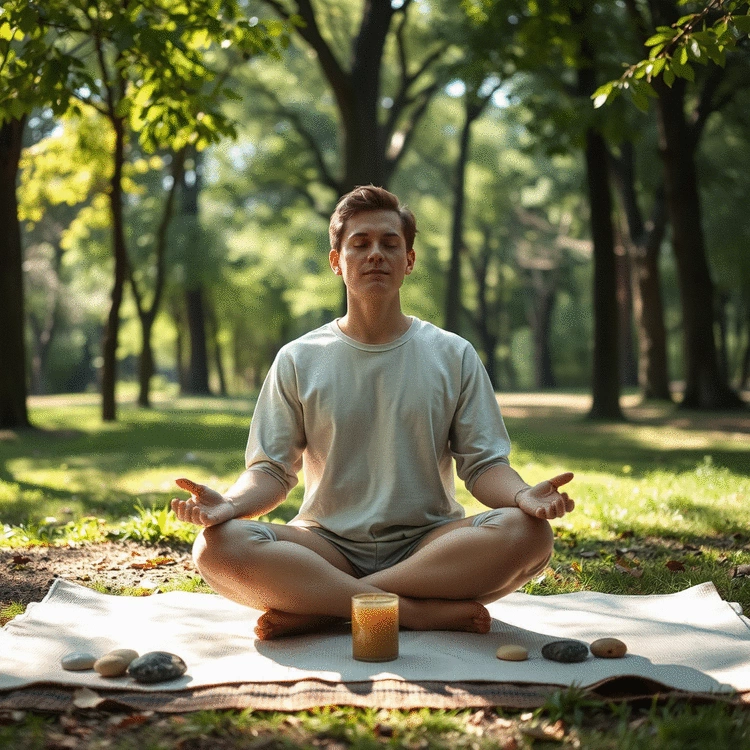
Exploring how mindfulness and self-compassion work together to improve mental and physical health, represented in the visual below. For a deeper dive into how these practices can positively impact your well-being, explore mindfulness meditation for wellness benefits.
Focus on being present and aware of thoughts and feelings.
Involves responding to oneself with kindness and understanding.
Have you ever stopped to think about what mindfulness and self-compassion really mean? In our fast-paced world, these terms often get tossed around, but they hold deep significance when explored fully. Mindfulness refers to the practice of being present in the moment, observing our thoughts and feelings without judgment. On the other hand, self-compassion involves treating ourselves with kindness and understanding, especially during tough times. Together, they can create a beautiful synergy that promotes mental well-being.
Many people think that mindfulness and self-compassion are the same, but they are distinct yet interconnected concepts. While mindfulness encourages awareness and acceptance of our experiences, self-compassion offers us a nurturing way to respond to them. Embracing both can lead to a richer, more fulfilling life. It’s like having a supportive friend by your side as you navigate the ups and downs!
Let’s break it down. Mindfulness is about paying attention to our thoughts, feelings, and the world around us. It’s an invitation to slow down and truly notice life as it unfolds. For instance, when sipping a cup of tea, mindfulness encourages us to savor the flavor and warmth, rather than gulping it down while distracted. It’s all about being fully present.
On the flip side, self-compassion is about offering ourselves the same kindness we would extend to a dear friend. Instead of harsh self-criticism, we learn to speak to ourselves with love and understanding. Imagine comforting a friend who is feeling down; self-compassion is simply turning that same gentle approach inward. It's a vital component of developing a healthy, resilient mindset that can weather life's storms. To learn more about how meditation can positively impact your mental health, check out meditation's positive impact on mental health.
So, how do mindfulness and self-compassion work together? When we practice mindfulness, we cultivate an awareness of our thoughts and feelings without judgment. This awareness can open the door to self-compassion. By recognizing our struggles and vulnerabilities, we become more inclined to respond with kindness, rather than criticism.
In essence, mindfulness can serve as the foundation upon which self-compassion is built. As I’ve learned through my journey with Mind and Meridian, the more we understand our emotional landscape, the easier it becomes to nurture ourselves through gentleness and love. This interdependence can lead to profound changes in how we interact with ourselves and the world.
Let’s not forget the incredible mind-body connection! Our thoughts and feelings are not just mental constructs; they manifest physically as well. When we practice mindfulness, we can observe how stress and anxiety affect our bodies. On the flip side, being kind to ourselves through self-compassion can reduce physiological stress responses, promoting relaxation and healing.
Research shows that engaging in mindfulness practices can lead to lower blood pressure, reduced stress hormones, and improved overall health. When combined with self-compassion, these benefits are amplified. It's like creating a soothing balm for both mind and body, nurturing our total well-being. For further reading on this topic, explore the mind-body wellness connection.
Here's a brief recap of the key points discussed so far:
In the quest for mental clarity and personal growth, understanding structured programs can be a game-changer. Two well-known frameworks, Mindful Self-Compassion (MSC) and Mindfulness-Based Stress Reduction (MBSR), stand out in this domain. Both programs are designed to enhance mindfulness while fostering self-compassion, but they differ in their approaches and applications.
MSC focuses on cultivating a healthier relationship with oneself through compassion, while MBSR is primarily aimed at stress reduction by integrating mindfulness practices into everyday life. Both have shown great effectiveness in improving emotional well-being, making them valuable tools for anyone looking to enhance their holistic wellness.
Mindful Self-Compassion is about treating oneself with kindness, especially during tough times. It encourages individuals to acknowledge their feelings without harsh judgment. This program combines mindfulness practices with self-compassion exercises, making it effective for promoting mental clarity.
On the other hand, Mindfulness-Based Stress Reduction focuses on enhancing one's ability to cope with stress through mindfulness meditation and body awareness. This program has been widely researched and is recognized for its ability to help individuals deal with chronic pain, anxiety, and other stress-related issues.
Mindfulness-Based Cognitive Therapy is another powerful tool that combines cognitive behavioral techniques with mindfulness strategies. It is especially beneficial for those dealing with emotional challenges, as it helps to break the cycle of negative thoughts and feelings.
MBCT promotes awareness of one's thoughts and emotions, allowing individuals to respond with kindness rather than reactivity. Research indicates that this method can significantly enhance self-compassion and emotional resilience, making it a perfect fit for anyone exploring their mental health journey.
In today’s digital age, we are fortunate to have a plethora of resources at our fingertips to aid in our mindfulness and self-compassion practices. Numerous apps and online platforms provide guided meditations, exercises, and community support, making it easier to integrate these practices into our daily lives. To explore additional wellness resources, consider exploring acupuncture clinic options.
Some popular resources include apps like Headspace, Calm, and Insight Timer. These tools offer guided sessions tailored to various needs, whether you're looking to relieve stress or deepen your self-compassion practice. With a little exploration, you’ll likely find something that resonates with you!
Here is a quick recap of the important points discussed in the article:
Sofia Kepler is a holistic wellness advocate passionate about helping others find mental clarity and personal growth. Blending mindfulness and energy healing, she shares uplifting insights to inspire and empower. Follow along on Mind and Meridian for a journey into inner balance and holistic health.
Embark on a transformative journey toward holistic wellness. At Mind and Meridian, we empower you to nurture your mental clarity and personal growth through mindfulness and energy healing practices.