




- Mindfulness
- Dec 05
2025-12-21
Self-care isn't merely a luxury—it's a crucial component of holistic wellness that empowers individuals to lead healthier, more fulfilling lives. As we navigate the complexities of modern life, understanding the transformative power of self-care practices can significantly enhance our mental, physical, and emotional health.
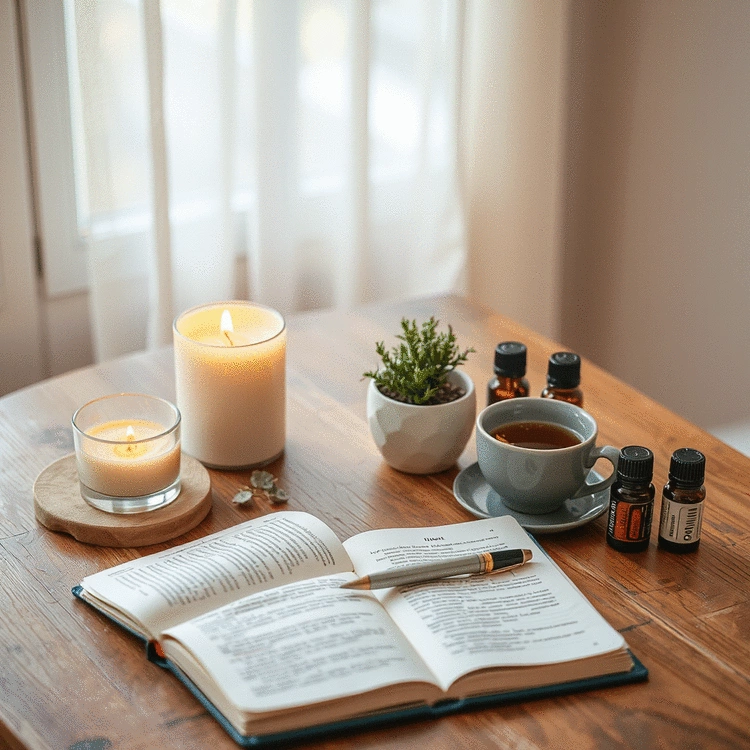
This visual illustrates the interconnected dimensions of wellness that play a crucial role in effective self-care. For a deeper understanding of how these practices contribute to overall well-being, explore mindfulness meditation for wellness benefits.
Engaging in reflective practices like journaling or mindfulness.
Regular exercise and nutritious eating habits.
Building strong relationships and community connections.
Exploring personal beliefs and finding purpose.
When we think about holistic wellness, one of the keys to unlocking our potential is understanding the vital role of self-care. It’s more than just pampering ourselves; it’s about creating a balanced routine that nurtures our mind, body, and spirit. At Mind and Meridian, I believe that self-care is fundamental to fostering a healthier and more fulfilled life.
Self-care can be transformative, and it’s essential to recognize that it encompasses various practices, each tailored to support different aspects of our overall well-being. Think of self-care as an investment in your health, not just a luxury. When we actively engage in self-care, we pave the way for personal growth and mental clarity.
So, what exactly constitutes self-care? At its core, self-care refers to any activity that we deliberately choose to enhance our physical, mental, and emotional health. This could be as simple as taking a quiet moment to breathe deeply or as involved as committing to a new exercise regime. The important thing is that it’s about making a conscious choice to prioritize our own well-being.
Self-care also includes recognizing our needs and responding to them in a positive way. It’s a way of saying, “I matter, and my needs are valid.” When we understand self-care in this light, we empower ourselves to make healthier choices that reflect our values and aspirations. For additional context on embracing self-care, consider everyday mindfulness for wellness.
Self-care practices can vary widely from person to person, and that’s what makes it so unique! Here are some common practices that many find beneficial:
By integrating some of these practices into our daily lives, we create a solid foundation for holistic wellness. It’s about finding what resonates with us and committing to those choices consistently.
For self-care to be effective, it requires three key attributes: awareness, self-reliance, and self-control. Awareness means being in tune with our emotions and recognizing when we need a break or a change. This is a skill that takes practice, but it’s crucial for maintaining our well-being.
Self-reliance involves trusting ourselves to make decisions that benefit our health. It’s about believing that we have the power to create positive change. Lastly, self-control is about establishing boundaries and making choices that align with our wellness goals. These attributes work together to form a robust self-care practice that truly supports our holistic wellness journey.
Self-care doesn’t exist in a vacuum; it connects deeply with various dimensions of wellness. Understanding these dimensions can help us shape our self-care routines effectively. It’s essential to consider not just one aspect but how they all interrelate. Let’s delve into these dimensions!
By recognizing these dimensions, we can create a more rounded approach to our self-care, ensuring that every part of our being receives the attention it deserves.
Our environment plays a crucial role in how we practice self-care. This includes our physical surroundings, social circles, and even the resources available to us. A cluttered space can lead to a cluttered mind, so it’s important to create a calming environment that supports our wellness journey.
Additionally, surrounding ourselves with positive influences—friends who uplift us and environments that inspire tranquility—can make a significant difference in our self-care routines. Let’s take a step back and consider how we can enhance our surroundings to better support our holistic well-being!
Nutrition is a foundational aspect of self-care that often gets overlooked. Eating a balanced diet not only fuels our bodies but also impacts our mood and energy levels. Incorporating whole foods, fruits, vegetables, and healthy fats into our meals can lead to improved mental clarity and emotional resilience.
At Mind and Meridian, I often remind myself and others that food is medicine. What we choose to nourish ourselves with plays a vital role in how we feel every day. So, let’s make those conscious food choices that reflect our commitment to self-care!
Good sleep hygiene is crucial for our overall health. It’s during sleep that our bodies repair and recover, making it essential for maintaining both physical and mental wellness. Establishing a bedtime routine, limiting screen time before bed, and creating a comfortable sleep environment are all steps we can take to improve our sleep quality.
When we prioritize sleep, we enhance our ability to handle stress and make better choices throughout the day. Remember, it’s all interconnected, and better sleep leads to better self-care practices! To learn more about how sleep impacts your overall well-being, read about sleep's impact on wellness.
Stress is a part of life, but how we manage it can make all the difference. Incorporating simple stress management techniques into our daily routines can help us maintain our peace of mind. Here are a few methods that have worked for me:
By making these practices a regular part of our lives, we empower ourselves to navigate stress more effectively, ultimately benefiting our holistic wellness.
To maximize the benefits of your self-care routine, consider integrating small, mindful moments throughout your day. Whether it's taking five minutes to stretch, practicing deep breathing, or savoring a cup of tea without distractions, these brief yet intentional practices can significantly enhance your overall well-being.
As we've explored throughout this article, self-care is not just a luxury; it’s a vital component of holistic wellness. By integrating self-care practices into our daily routines, we can significantly enhance our overall health and well-being. It empowers us to prioritize our mental, physical, and emotional health, allowing us to navigate life’s challenges with greater resilience. This shift in perspective is crucial for fostering a balanced and fulfilling life.
Many people often overlook the importance of self-care in their busy lives. However, embracing self-care routines can lead to profound transformations. From managing stress more effectively to improving relationships, the impact of dedicated self-care can be life-changing. So, how can we make this a regular part of our lives? Let’s delve into some practical insights!
Integrating self-care into our daily lives involves intentional choices that align with our personal wellness goals. Here are some effective ways to make self-care a priority:
It's essential to view self-care as a practice, not just a one-time event. At Mind and Meridian, we believe that nurturing ourselves consistently can lead to long-lasting benefits. By making small adjustments, each of us can cultivate a healthier relationship with ourselves.
Here are some practical tips for incorporating self-care into your everyday life:
Implementing these practices doesn’t have to be overwhelming. Remember to pace yourself. With time, these small self-care rituals can lead to significant improvements in your well-being.
Self-care is an ongoing journey, and staying engaged is crucial for long-term benefits. Here are some next steps you can take to keep the momentum going:
Remember, it’s all about what resonates with you personally. At Mind and Meridian, we emphasize the importance of community support in this journey. Connecting with others can provide motivation and new ideas for self-care. For those interested in exploring different approaches, consider exploring acupuncture clinic options as part of your holistic wellness plan.
To successfully implement self-care routines, consider these strategies:
Tracking progress can be incredibly rewarding and will help you stay focused on your wellness journey. You can also explore building your wellness routine for more tailored guidance.
Finding a support system can significantly enhance your self-care journey. Here are some resources to consider:
At Mind and Meridian, we encourage creating supportive connections. Together, we can share experiences and uplift one another on our paths to wellness.
Lastly, don’t underestimate the importance of healthy relationships in your self-care journey. Here are some tips for building strong connections:
Establishing healthy boundaries is a form of self-care in itself. At Mind and Meridian, I truly believe that nurturing our relationships can foster an environment where self-care thrives, enhancing our overall well-being. For more insights on this topic, consider reading about mindfulness for better relationships.
Here is a quick recap of the important points discussed in the article:
Sofia Kepler is a holistic wellness advocate passionate about helping others find mental clarity and personal growth. Blending mindfulness and energy healing, she shares uplifting insights to inspire and empower. Follow along on Mind and Meridian for a journey into inner balance and holistic health.
Embark on a transformative journey toward holistic wellness. At Mind and Meridian, we empower you to nurture your mental clarity and personal growth through mindfulness and energy healing practices.