
Breath Awareness Techniques
Focus on your breath, whether at the nostrils, chest, or belly.
2026-08-21
In a world filled with distractions, the simple act of focusing on your breath can serve as a powerful tool for mindfulness and clarity. Breath awareness meditation not only enhances emotional resilience but also fosters a deeper connection with your inner self. Ready to explore this transformative practice? Let's dive into the key lessons you’ll discover!
Explore the essential techniques that enhance the practice of breath awareness meditation, outlined in the visual representation below.
Focus on your breath, whether at the nostrils, chest, or belly.
Techniques like box breathing and diaphragmatic breathing help deepen your experience.
Bringing present moment awareness into each session strengthens your practice.
Using mental imagery can enhance your connection to breath awareness.
At the heart of meditation lies the practice of breath awareness, which involves focusing on your breath as a way to anchor your mind. This technique is simple yet profound, allowing you to cultivate a deeper sense of presence and calmness. By honing in on your breath, you create space for stillness, allowing thoughts and distractions to drift away.
Breath awareness meditation is not just about breathing; it's about connecting with your body's natural rhythm. As you inhale and exhale, you become more in tune with your emotions and physical sensations. This awareness can lead to greater mental clarity and emotional resilience, which are essential components of holistic wellness.
The beauty of breath awareness meditation is its accessibility; it can be practiced by anyone, regardless of age or experience. Whether you're a busy professional, a student juggling multiple commitments, or someone simply looking to find peace, this practice is for you! However, it’s essential to consider your individual needs and circumstances.
If you struggle with anxiety or have respiratory issues, it's wise to consult with a healthcare professional before diving in. Sometimes, focusing on your breath can heighten anxiety for some people. Always listen to your body and adapt your practice accordingly to ensure a nurturing experience.
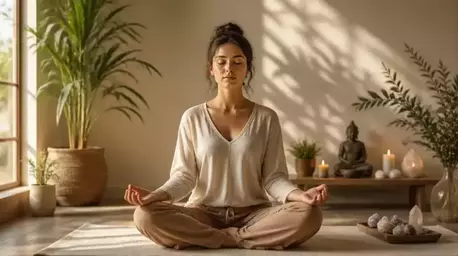
To make the most of your breath awareness meditation, setting up a dedicated space is crucial. Choose a quiet corner of your home where you can minimize distractions, allowing your focus to settle on your breath. You might want to add a few personal touches, like soft cushions or calming decor, to create a serene environment that feels inviting.
Consider the lighting in your chosen space. Soft, natural light can enhance the calming atmosphere, while dimming harsh overhead lights can help reduce distractions. Take a moment to make this space yours, making it a sanctuary for your meditation practice.
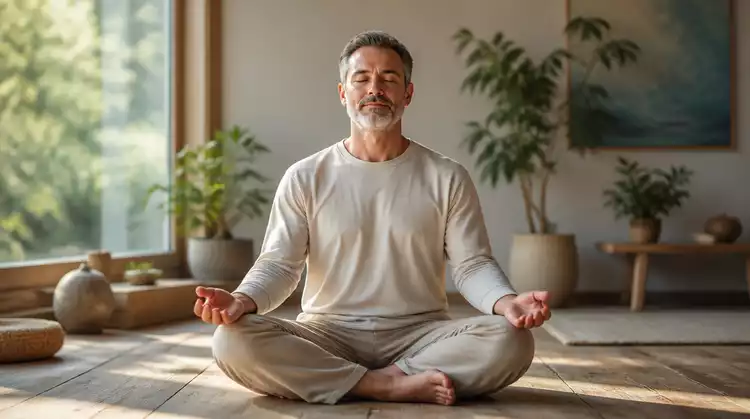
Your posture during meditation plays a significant role in your overall experience. Aim for a position that feels both comfortable and alert. Sitting cross-legged on the floor, on a cushion, or in a chair with your feet flat can provide the support you need to focus on your breath.
Keep your back straight but relaxed, allowing your shoulders to drop away from your ears. This alignment encourages easy breathing and helps maintain your focus. Remember, the best posture is one you can maintain comfortably for the duration of your practice!
As you settle into your meditation, you might wonder where to direct your awareness. Choosing an anchor point—whether it's your nostrils, chest, or belly—can help focus your attention on the breath. When you feel the cool air entering through your nostrils, or notice the rise and fall of your belly, you create a tangible connection to your breath.
Choosing the right anchor point is a personal journey, so try each one and see which resonates with you. This practice allows you to deepen your connection to your breath and, ultimately, to yourself!
Did you know? Incorporating a simple technique called "4-7-8 breathing" can enhance your breath awareness practice. Inhale for 4 seconds, hold your breath for 7 seconds, and exhale slowly for 8 seconds. This method not only calms the mind but also helps to reduce anxiety and stress, making it an excellent addition to your meditation routine.
As we wrap up our exploration into breath awareness meditation, let’s take a moment to reflect on the essential techniques and practices we've uncovered. From understanding what breath awareness truly is to establishing a dedicated practice, each step has a unique role in enhancing our overall well-being. Whether it’s the calming effects of structured breathing patterns or the soothing embrace of mindful awareness, these practices offer us tools for nurturing peace in our busy lives.
Here’s a quick recap of the key techniques we've discussed:
As you embark on or continue your journey with breath awareness meditation, remember that each practice is a step toward greater mental clarity and inner calm. Just as I discovered through my own experiences at Mind and Meridian, integrating these techniques into daily life can be transformative. Start with just a few minutes each day and gradually increase your practice as you feel more comfortable.
Don’t hesitate to celebrate your progress—no matter how small! Here are some suggestions to keep the momentum going:
Many new practitioners have questions about breath awareness meditation, and that's completely normal! Here are some common inquiries that often arise:
Breath awareness meditation is a practice where you focus on your breath as an anchor for your mind to cultivate presence, calmness, and emotional regulation.
Anyone can practice it, including beginners, experienced practitioners, and individuals managing stress or anxiety. However, those with anxiety or respiratory issues should consult a healthcare professional first.
Choose a quiet corner, minimize distractions, and add personal touches like soft cushions or calming decor. Soft, natural light can also enhance the calming atmosphere.
Proper posture (comfortable and alert) encourages easy breathing and helps maintain focus. An anchor point (nostrils, chest, or belly) helps direct your attention to the breath, deepening your connection.
It's natural for thoughts to wander. Gently guide your focus back to your breath without judgment.
Begin with 5-10 minutes and gradually increase the duration as you become more comfortable.
Always consult with a healthcare professional if you have health concerns or are unsure about starting meditation.
Here are some common inquiries that often arise:
To support your journey, I'm excited to share some resources that can deepen your understanding and practice of breath awareness meditation! Here’s a list to get you started:
Connecting with others can significantly enrich your meditation practice! I encourage you to explore local meditation communities or workshops. Here’s how to find them:
At Mind and Meridian, we believe that joining a community can help you stay motivated and engaged on your wellness journey. Let’s continue to uplift one another as we integrate breath awareness into our lives!
Here is a quick recap of the important points discussed in the article:
Sofia Kepler is a holistic wellness advocate passionate about helping others find mental clarity and personal growth. Blending mindfulness and energy healing, she shares uplifting insights to inspire and empower. Follow along on Mind and Meridian for a journey into inner balance and holistic health.
Embark on a transformative journey toward holistic wellness. At Mind and Meridian, we empower you to nurture your mental clarity and personal growth through mindfulness and energy healing practices.