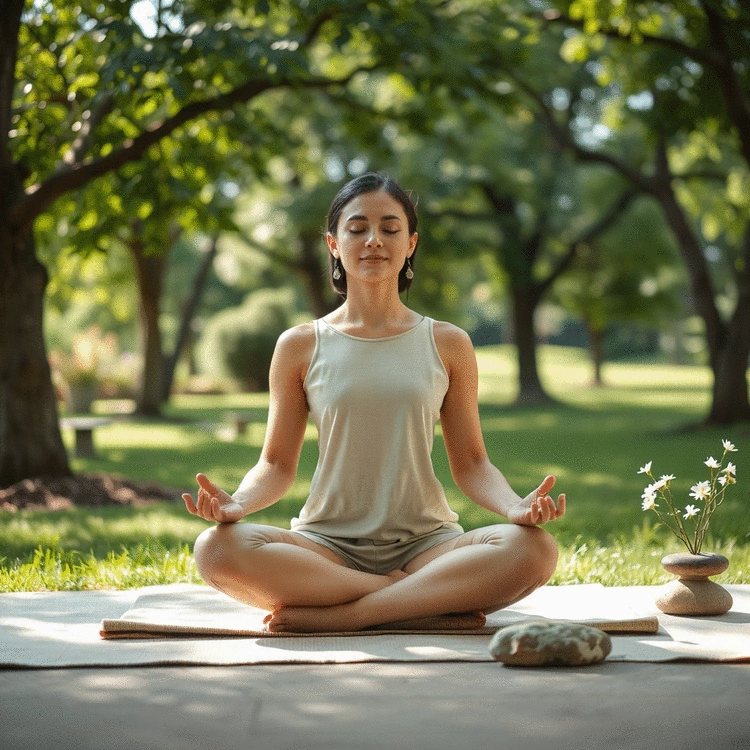

Stress Reduction
Mindfulness helps lower stress levels, which can lead to improved cardiovascular health.
2025-12-24
Mindfulness is more than a trend; it's a practice that invites us to engage fully with the present moment. Imagine how your life could transform by simply slowing down and appreciating each experience as it unfolds. This article reveals essential insights into the power of mindfulness, its principles, and its profound impact on our physical and emotional health.
Incorporating mindfulness into daily life offers numerous advantages that enhance both mental and physical well-being. Below are some critical health benefits displayed visually:
Mindfulness helps lower stress levels, which can lead to improved cardiovascular health.
Regular mindfulness practice can boost our immune system, making us more resilient to illnesses.
Mindfulness techniques can improve sleep patterns, aiding in recovery and rejuvenation.
Mindfulness has been shown to alleviate chronic pain, allowing individuals to navigate life with greater ease.
Mindfulness is a simple yet profound practice that invites us to pay attention to the present moment without judgment. At its core, mindfulness involves being aware of our thoughts, feelings, and sensations as they arise, helping us cultivate a deeper connection with ourselves and our surroundings. This practice encourages a sense of calm amidst the chaos, making it an essential tool for enhancing our overall well-being. For a deeper dive into how this practice benefits mental health, consider exploring meditation's positive impact on mental health.
One of the key principles of mindfulness is *non-judgment*. When we practice mindfulness, we learn to observe our thoughts and feelings without labeling them as good or bad. Instead, we create space to understand our experiences with compassion. Another important aspect is *focused attention*; by directing our awareness to our breath or body sensations, we can anchor ourselves in the present, reducing the tendency for our minds to wander.
Mindfulness is often described as the art of living in the moment. It invites us to slow down and truly engage with our experiences rather than rushing through them. This may include noticing the taste of food while eating or appreciating the beauty of nature during a walk. By practicing mindfulness, we become more attuned to our internal and external environments.
Here are some core principles of mindfulness:
The benefits of mindfulness extend far beyond just mental clarity; they also significantly impact our physical health. Studies have shown that regular mindfulness practice can lead to improvements in various physical conditions, such as stress management and chronic pain reduction. By fostering a deeper connection between our mind and body, mindfulness encourages a holistic approach to well-being. If you're looking for ways to reduce stress, you might find our article on mindfulness meditation for stress relief particularly helpful.
Let’s explore some reasons why mindfulness is vital for our physical health:
To enhance your mindfulness practice, try setting aside specific times during the day to practice. For example, dedicate five minutes after waking up and before going to bed for mindful breathing. Consistency is key, and by anchoring your practice to daily routines, you’ll find it easier to incorporate mindfulness into your life.
In our journey through understanding mindfulness, it’s clear that its benefits for physical health are substantial and far-reaching. From reducing stress to improving chronic pain, the positive outcomes are backed by research and personal experiences. At Mind and Meridian, we believe that adopting mindfulness practices can lead to a more balanced and fulfilling life. Isn’t it exciting to think about how simple shifts in awareness can pave the way for better health?
To wrap it up, let’s highlight some of the key health benefits of mindfulness practices:
Integrating mindfulness into our daily routines doesn’t have to be overwhelming. Small, consistent changes can yield significant benefits. I encourage you to begin with just a few minutes of mindfulness each day, whether through meditation, breathing exercises, or a mindful walk. Remember, at Mind and Meridian, we’re all about creating a supportive community where these practices can thrive. For practical tips, explore mindfulness techniques for daily life.
Here are some easy ways to weave mindfulness into your daily life:
Embracing these simple practices can amplify your health and well-being, nurturing both your body and mind. Together, let’s foster a mindful approach to living that resonates with our unique wellness journeys!
If you’re ready to take the plunge into mindfulness, there are numerous resources available. At Mind and Meridian, we’ve curated helpful guides, articles, and videos that can kickstart your journey. Here are some fantastic options to explore:
Joining a mindfulness program can deepen your practice and connect you with like-minded individuals. At Mind and Meridian, we regularly host workshops and community events that focus on mindfulness and holistic wellness. Participating in these initiatives can foster a sense of belonging while enriching your mindfulness journey. If you're near one of our locations, you might also be interested in exploring acupuncture clinic options for additional wellness support.
Here are some ways to get involved:
Let’s take these steps together! Trust that each mindful moment contributes to your overall well-being, and remember, we’re here to support you every step of the way at Mind and Meridian.
Here is a quick recap of the important points discussed in the article:
Sofia Kepler is a holistic wellness advocate passionate about helping others find mental clarity and personal growth. Blending mindfulness and energy healing, she shares uplifting insights to inspire and empower. Follow along on Mind and Meridian for a journey into inner balance and holistic health.
Embark on a transformative journey toward holistic wellness. At Mind and Meridian, we empower you to nurture your mental clarity and personal growth through mindfulness and energy healing practices.